

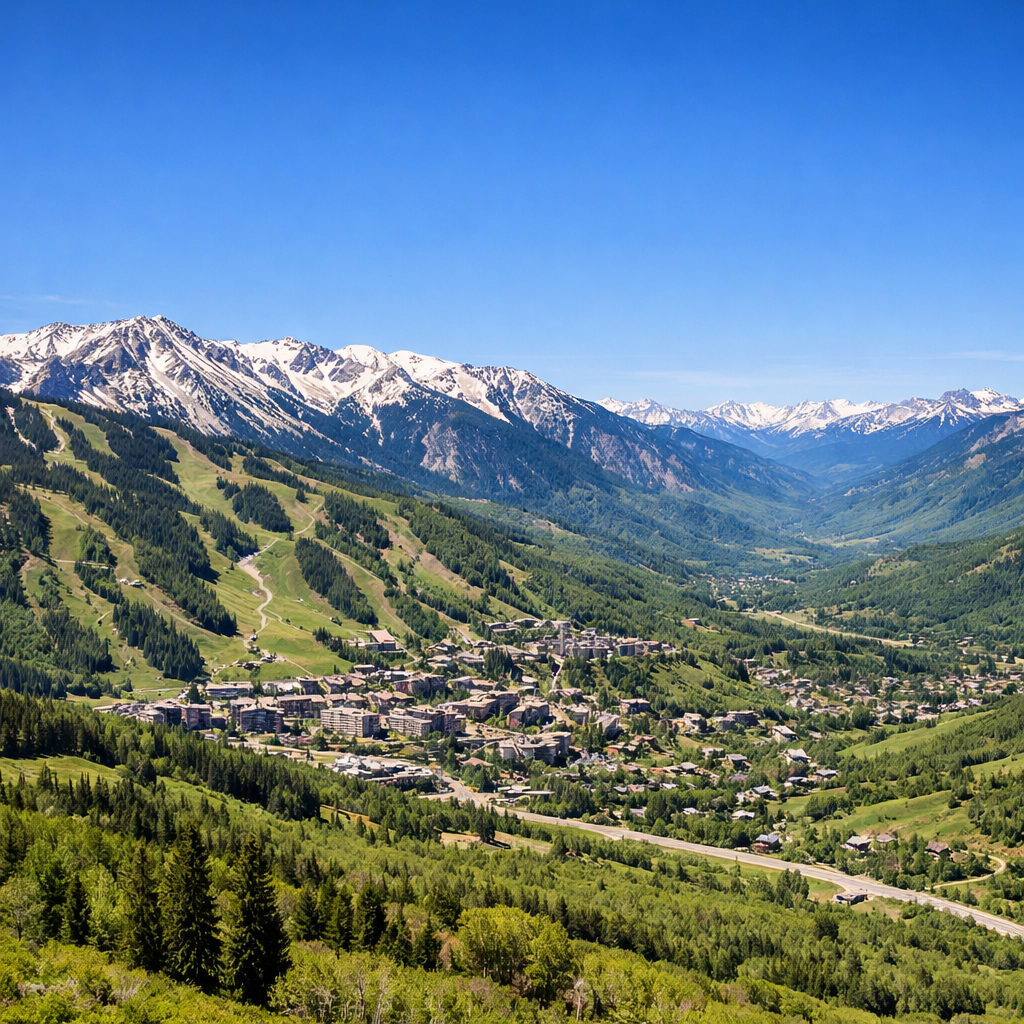
Snowmass, Colorado, nestled in the heart of the Rockies, offers a distinctive climate that influences both its natural environment and the lifestyle of its residents. Understanding these patterns is essential for both locals and visitors to make the most of what each season has to offer.
Seasonal Temperature Variations
At an elevation of approximately 8,182 feet, Snowmass experiences significant temperature fluctuations throughout the year. Winters are characterized by cold temperatures, with average highs around 34°F (1°C) in January and lows dipping to 10°F (-12°C). Summers, on the other hand, are pleasantly warm, with July averaging highs of 75.7°F (24.3°C) and lows around 43.9°F (6.6°C). This range provides a comfortable environment for a variety of seasonal activities.
Precipitation and Snowfall
Snowmass receives an average annual precipitation of 14.20 inches, contributing to its lush landscapes and vibrant ecosystems. Snowfall is a significant aspect of the local climate, with the area accumulating approximately 78.03 inches annually. The heaviest snowfall typically occurs in February, averaging 13.94 inches, making it a prime destination for winter sports enthusiasts.
Sunshine and Humidity
One of the appealing features of Snowmass’s climate is its abundant sunshine. The area enjoys over 300 days of sunshine annually, enhancing outdoor experiences year-round. Humidity levels remain relatively low, averaging around 52%, which contributes to the crisp, invigorating mountain air that residents and visitors cherish.
Environmental Considerations
Recent observations have highlighted environmental challenges affecting Snowmass’s climate. Warmer nighttime temperatures have been noted, which can lead to faster snowmelt and impact water availability during the drier months. Additionally, dust deposition from surrounding regions has been observed to reduce the snow’s reflectivity, causing it to absorb more sunlight and melt more rapidly. These factors underscore the importance of ongoing environmental monitoring and conservation efforts to preserve the region’s natural beauty and resources.
Understanding the unique climate of Snowmass allows residents and visitors to better appreciate and adapt to the seasonal rhythms of this remarkable mountain community.